




Tarangire National Park, Lake Manyara, Southwest of Central Serengeti, Central Serengeti, North Serengeti (Maasai Mara )– Kogatende & Bologonja area
Tarangire is a park of giant baobab trees, rolling savannah and acacia Parkland. It is famous for its dense wildlife population, which is most spectacular in the dry season between June and September. It is during this period that thousands of animals- wildebeest, zebra, Eland, hartebeest, buffalo, and onyx migrate from the dry Maasai steppe to the Tarangire River in search of water. Birds are also abundant here and over 550 species have been recorded.
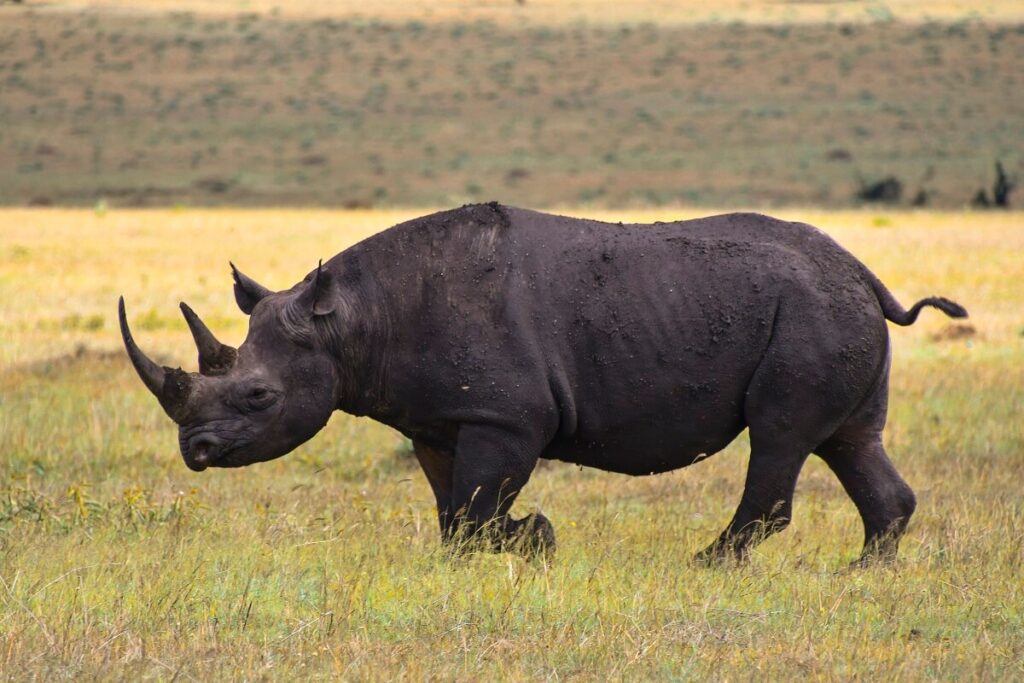
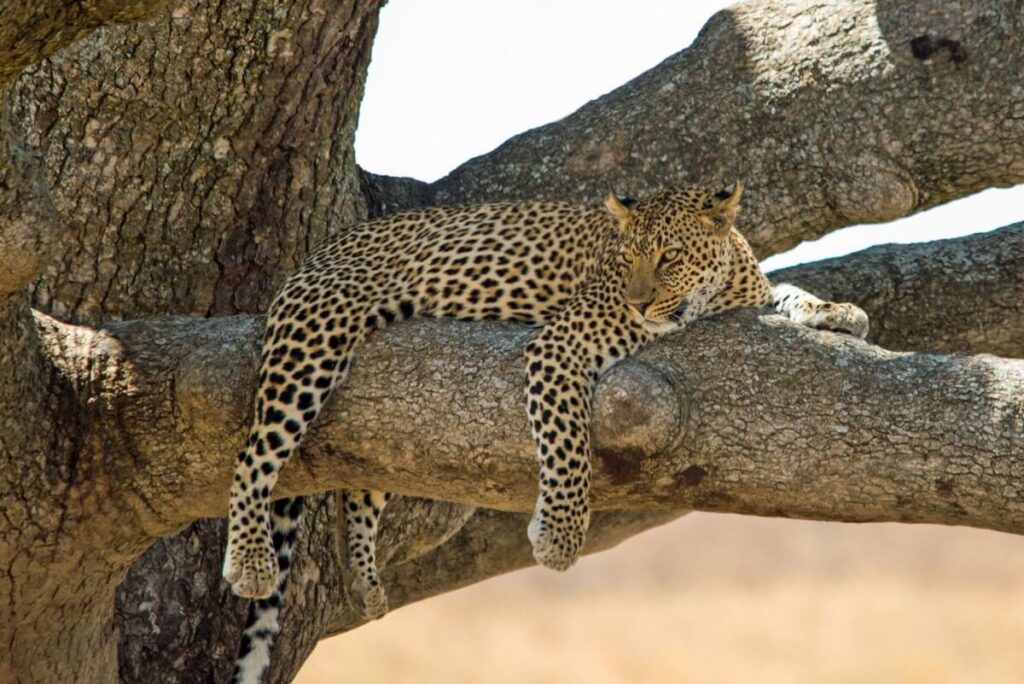
The western Lake Burungi route, a pleasant drive of about 80 km, meanders through combretum (a genus of about 250 species of trees and shrubs native to Africa) and acacia woodlands. With a bit of luck it is quite possible to encounter leopard and rhino in this area. The route also features lovely views of lakes Burungi and Manyara as well as the peaks of Milima Mitatu or “Three Hills”.
The Kitibong Hill route also covers the western section of the Tarangire National Park and is centered on the Kitibong Hill. The route features combretum, acacia woodlands, the Gursi floodplains to the south, as well as a large variety of plain animals, including buffalo and elephant
Dinner & Overnight: Maramboi Tented Lodge
Depart from Tarangire early in the Morning 7:30am and drive to Lake Manyara National Park for Morning Game Drive, a unique and picturesque park with a stunning lake, inspiring views and very varied wildlife and birdlife viewing.
Lake Manyara is a shallow, alkaline lake that is part of the Rift Valley wall; the lake is at the base of this dramatic western escarpment giving it a beautiful and serene setting. In addition to this peaceful setting, Lake Manyara’s main attractions are its rich bird life, tree rare climbing lions and its hippos which you can see at a closer range than any other places(If you’re lucky to See any).
Dinner & Overnight at kitela Lodge
There is tremendous wildlife viewing opportunities exist at the Maasai Kopjes in Moru Area at Central Serengeti. The craggy hollows and smooth granite crests of these towering granite kopjes are home to one of the Serengeti Lion Project's most studied prides, called the “Maasai lion pride”. The nearby swamp, where the rare Bohor reedbuck can be found, is also the famous hunting spot for the resident lion pride. Kopjes are remarkable in that they have their own little ecosystem with a range of vegetation and wildlife including hyrax, mongoose, lizards and birds
Black rhinos inhabit the area year-round, but if you want to increase your chances of seeing other animals like wildebeest in Large groups and zebras.
Another highlight at Moru is Gong Rock where a short walk leads to a series of Maasai paintings. Just to the east lies the saline Lake Magadi, a great spot for pink flamingos to gather.
Overnight at Kubukubu Tented Lodge
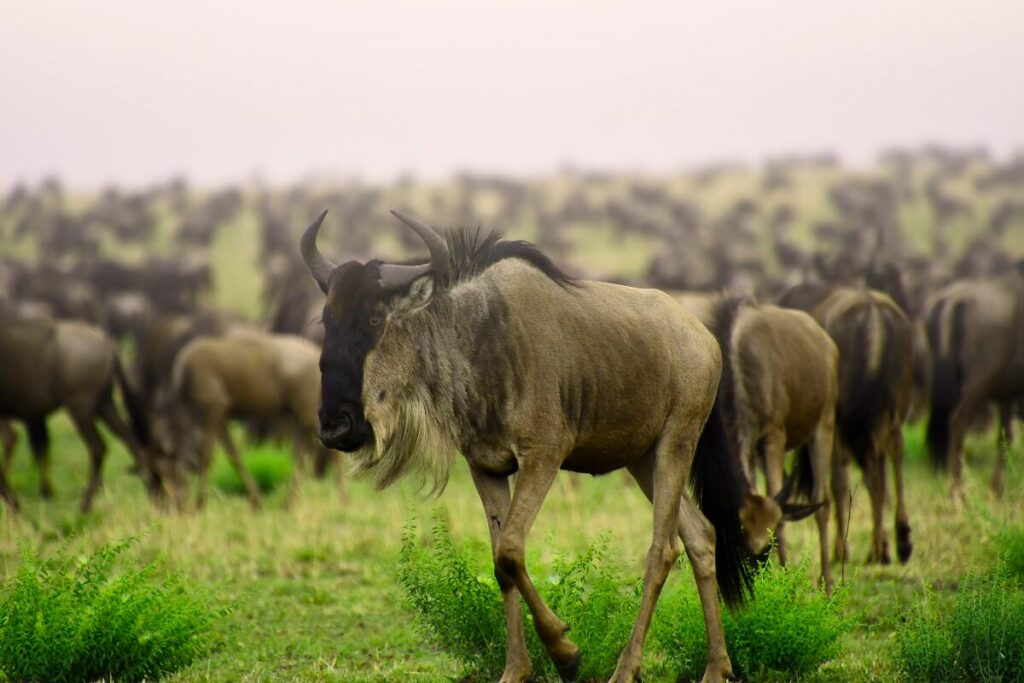
Kogatende Area is located in the North of Serengeti National Park, the most spectacular scenario of wildlife in its pure essence, Lobo, Kogatende, Mara & Bologonja area is a migratory route of over one million wildebeest in their desperate struggle for survival during July to November, Some herds will be spreading in this Area, As resident Predators Hunting the young and weak before their struggle to cross the Mara River.
Northern Serengeti remains an unexplored wilderness packed with stunning landscapes and abundant wildlife. The most captivating highlight of this area is undoubtedly the massive herds of migratory wildebeest and zebra during the dry season. However, the North Serengeti also supports an abundance of resident wildlife including lion, elephant, hippo, giraffe, crocodile and the rare oribi antelope
Overnight at Bologonya Undercanvas
Early breakfast, depart for morning game drive along the Mara river. The Area is the Boundary between Maasai Mara Game Reserves of Kenya and the Serengeti National Park. From July through to the end of October the migrating herds are resident, and this is the finest place to see the Migration's river crossings as the herds often cross the Mara River daily.
This region has been described as 'ultimate paradise' for safari in Serengeti from Mid-June to November as the River will be filled with Dramatic Crossing of Wildebeest on their way to Maasai Mara as Large crocodile wait to hunt them.(Picnic lunch by the river where you will be watching crocodiles). You will be waiting for crossing along the river, but you will also do game drive.
Overnight at Mara Mara Under canvas Lodge
Today we leave the Serengeti and drive to Ngorongoro Crater passing some very scenic landscapes. En route to the Ngorongoro crater we stop by Maasai Bomas enjoy the Local Maasai traditional Dances and learn some of their cultures including how they survive in environment with some dangerous wild animals such as Lion.
Overnight stay Ngorongoro Serena Hotel
Today after enjoying morning crater view at the view point, you enjoy a full day of game viewing at the Ngorongoro Crater floor. Called the eighth wonder of the world, the crater won’t fail to take your breath away as you stand on the rim looking down a 10-mile wide crater floor with abundant wildlife.
The Ngorongoro Crater is the largest unbroken volcanic caldera in the world covering approximately 260 sq. km's with walls rising 600 meters from the crater floor. Before the Ngorongoro Volcano exploded and collapsed 2 million years ago the area was home of some of the tallest mountain it is home to more than 30,000 large mammals - mainly gazelle, buffalo, eland, hartebeest and warthog - and has the highest predator density in the world.
Overnight at African Tulip Hotel

Copyright @ African Landmark Adventures